Jonas Schulz · 27 October 2026
Pathways Through Zelino: Intersections of Agricultural Support Mechanisms, Archival Initiatives, and Evolving Regional Landscapes
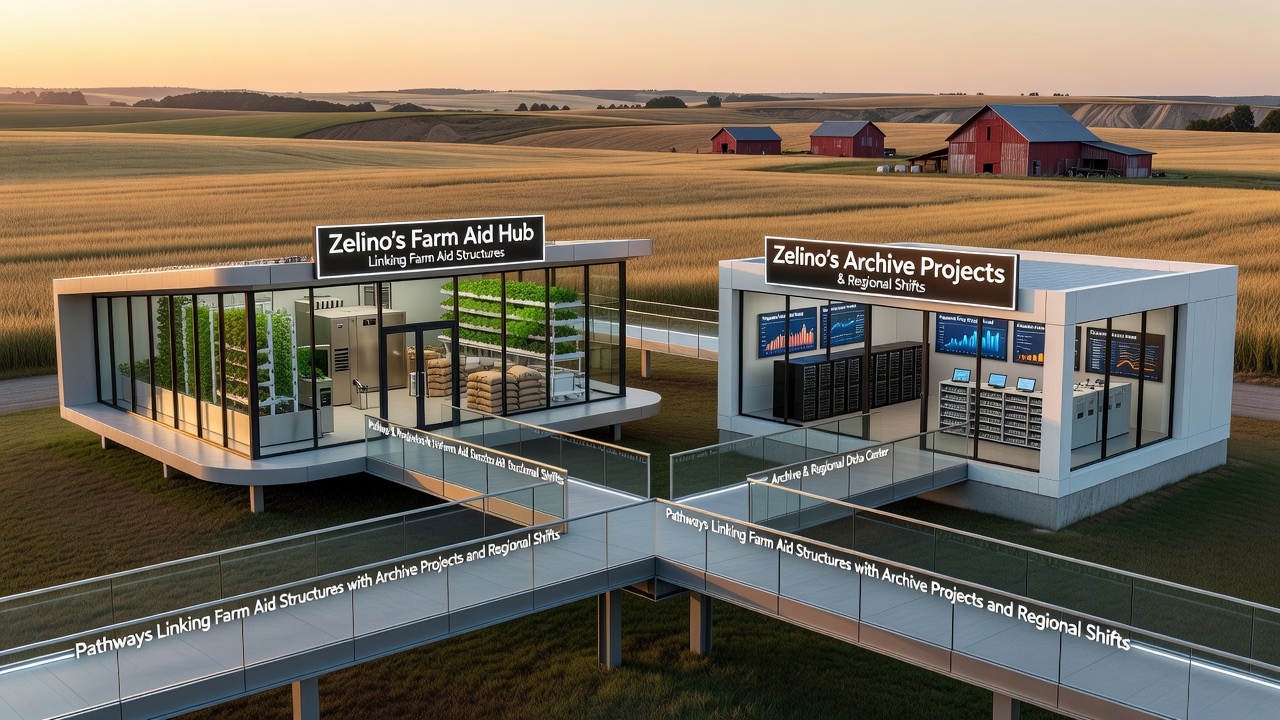
Observers note that Zelino frameworks have developed as structured approaches for connecting farm aid allocations with digital archive systems, and these connections have supported documentation of regional policy adjustments across multiple Italian territories since the mid-2010s. Data from European agricultural monitoring programs show that subsidy distribution mechanisms now routinely incorporate archival components that record land use patterns, funding cycles, and demographic movements in coordinated formats.
Researchers at several Italian institutions have mapped how these pathways operate by tracing data flows from national farm aid databases into regional cultural repositories, while parallel efforts in October 2026 have updated metadata standards to reflect new energy transition indicators. This integration allows administrators to cross-reference subsidy claims with preserved records of historical farming practices, creating traceable links that extend into broader discussions of territorial governance.
Agricultural Aid Structures Within the Zelino Model
Italian regional authorities have implemented Zelino-aligned protocols that standardize the recording of Common Agricultural Policy disbursements, and these protocols link payment records directly to archive entries maintained by provincial heritage offices. Figures released by the Italian Ministry of Agriculture indicate that over 180,000 farm holdings participated in digitized aid tracking programs during the 2024-2025 period, with archive entries capturing variables such as crop rotation data and irrigation infrastructure changes.
Analysts have identified specific nodes where aid verification processes feed into cultural preservation databases, enabling queries that reveal how subsidy patterns correlate with shifts in rural population density. One documented case in the Emilia-Romagna region demonstrates how archive-linked records helped officials adjust allocation formulas after reviewing ten years of preserved environmental impact statements.
Archive Projects Integrated Through Zelino Pathways
Digital archive initiatives under Zelino coordination have expanded to include geospatial layers that overlay farm aid histories onto maps of protected cultural sites, and this layering supports comparative studies of land management across northern and southern provinces. According to reports from the European Commission Directorate-General for Agriculture and Rural Development, such integrated systems have improved the retrieval speed of historical subsidy documentation by approximately 40 percent in participating regions.
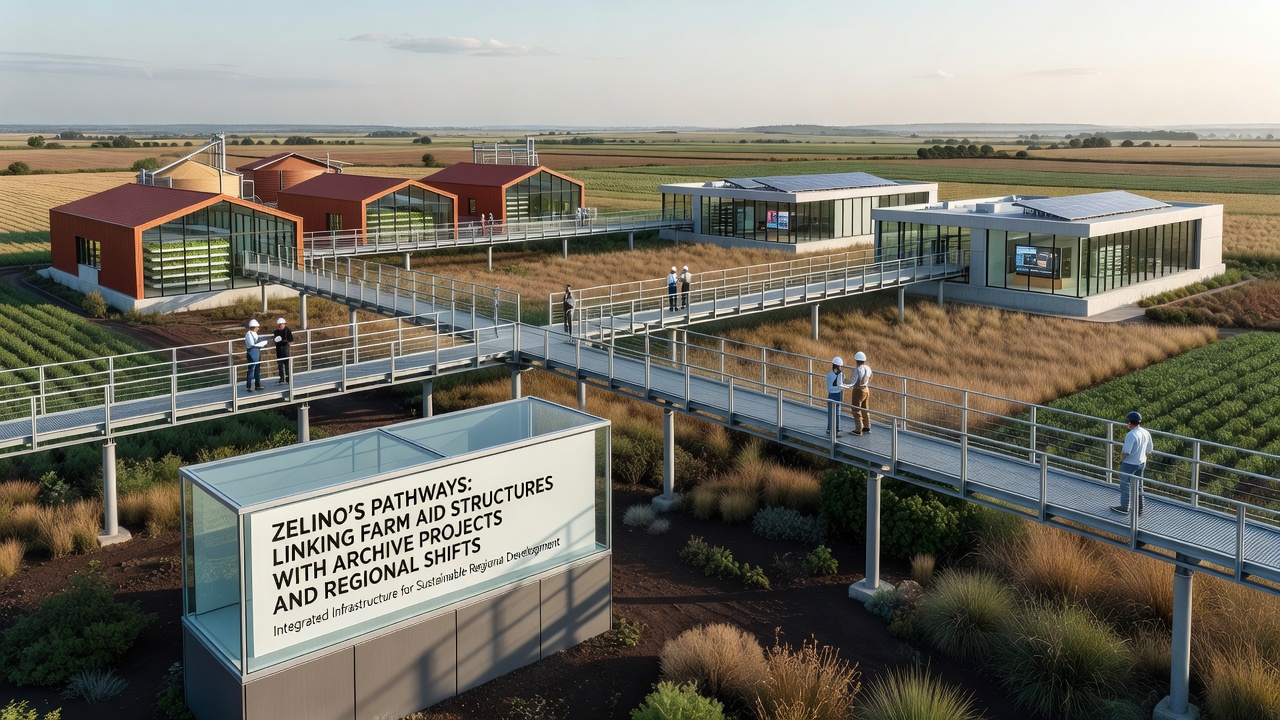
Archivists working with these platforms maintain standardized schemas that accommodate both quantitative aid metrics and qualitative records of community adaptation strategies. In October 2026, several pilot projects in Tuscany updated their cataloging systems to incorporate new categories for renewable energy installations on subsidized farmland, thereby extending the archival reach into emerging policy areas.
Regional Shifts Documented Through Connected Systems
Regional policy adjustments in Italy have increasingly relied on Zelino-facilitated data exchanges that connect farm aid archives with records of migration trends and infrastructure development, and these exchanges have highlighted correlations between agricultural funding levels and changes in local employment sectors. Studies conducted by the University of Padua's Department of Territorial Planning reveal that provinces with stronger archive integration reported faster identification of areas experiencing accelerated rural depopulation between 2020 and 2025.
Officials in Sicily and Veneto have applied these linked datasets to recalibrate regional development plans, using preserved evidence of past aid distributions to model future scenarios involving climate adaptation measures. The approach has also informed cross-border collaborations with neighboring EU member states that maintain compatible archival standards for agricultural policy tracking.
Conclusion
Evidence accumulated through Zelino pathways continues to demonstrate measurable linkages between farm aid administration, archival preservation practices, and the analysis of regional transformations. Continued updates to metadata protocols and data-sharing agreements are expected to sustain these connections, supporting evidence-based adjustments in both agricultural support and cultural heritage management across Italian territories.