Henrik Schmid · 29 September 2026
Connecting Italian Heritage Preservation Efforts with Media Regulation and Migration Policy Discussions Through Analytical Lenses
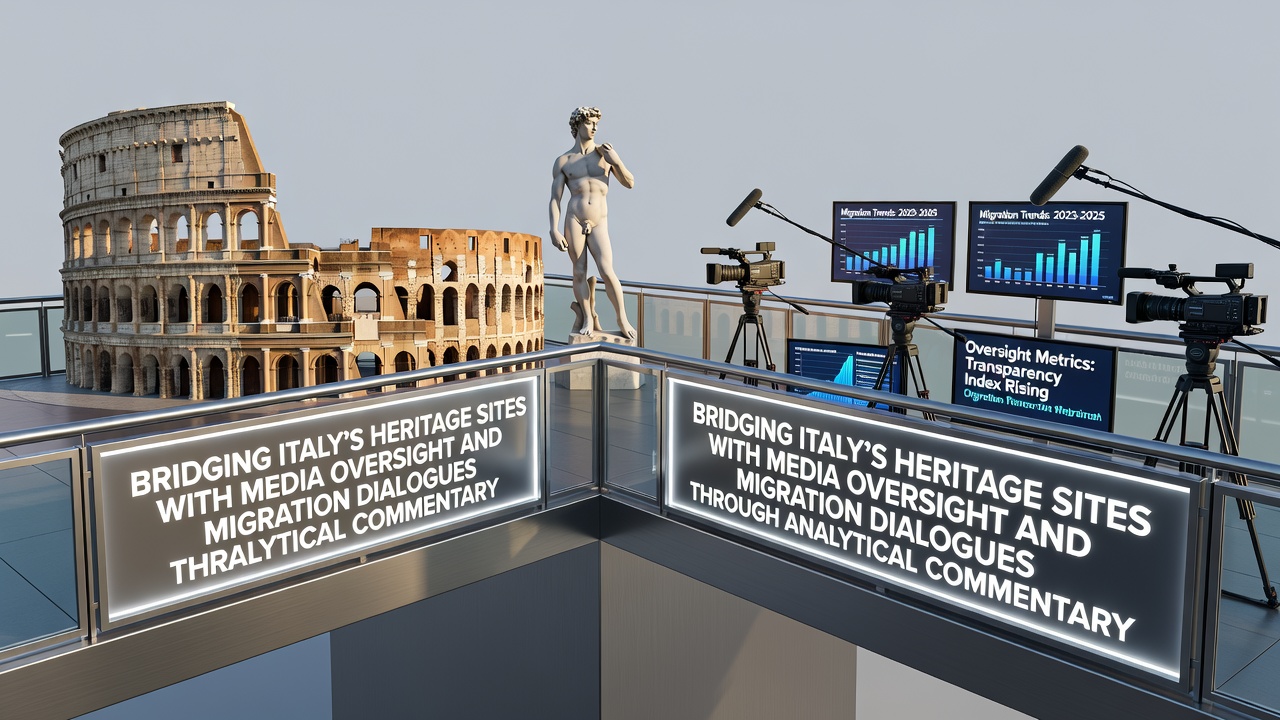
Italy's heritage sites continue to serve as focal points where preservation strategies intersect with evolving media oversight frameworks and ongoing migration dialogues, according to reports from cultural institutions and policy analysts. Researchers have documented how these locations, ranging from ancient Roman ruins to Renaissance landmarks, function as venues for public discourse that incorporates analytical commentary on digital governance and population movements. Data from the European Commission indicates that cultural heritage management in 2025 incorporated new protocols for media monitoring, which extended into discussions scheduled for implementation phases beginning September 2026.
Heritage Sites as Platforms for Broader Policy Integration
Observers note that sites such as the Colosseum and Pompeii have hosted structured events where experts examine the role of media regulation in shaping narratives around migration. These gatherings combine on-site analysis with digital oversight tools to track how information spreads across platforms. Studies from academic networks reveal that such integrations allow for real-time assessment of content accuracy, particularly when migration topics intersect with cultural identity themes. Analysts point to coordinated efforts by Italian regional authorities that align heritage protection mandates with EU-wide media standards, creating unified approaches that address both physical site maintenance and information flow controls.
Media Oversight Mechanisms in Cultural Contexts
Regulatory bodies have expanded oversight practices to include heritage-related content, where algorithms and human reviewers evaluate coverage of migration stories tied to Italian landmarks. Figures from the Italian Ministry of Culture show increased funding allocations in recent years for training programs that equip staff with skills in analytical commentary techniques. These programs emphasize verification processes that draw on multiple data sources, ensuring reports maintain factual grounding while navigating sensitive topics. What's notable is how oversight extends to international collaborations, with partnerships involving agencies from Canada and Australia providing comparative insights on balancing open dialogue with content safeguards.
One initiative launched in late 2025 involved pilot testing at five major sites, where media monitoring software flagged potential misinformation related to visitor demographics and migration patterns. Results indicated improved accuracy in public communications, as cross-referenced data from government statistical offices helped refine messaging strategies. Experts have observed that these tools operate alongside traditional oversight committees, which review outputs for compliance with transparency requirements.

Migration Dialogues Enhanced Through Analytical Commentary
Dialogues on migration gain depth when conducted within heritage settings, where historical context provides layers for examination alongside current policy data. Research indicates that structured commentary sessions at locations like Venice and Florence have incorporated inputs from transnational organizations, leading to reports that detail shifts in public perception metrics. According to data compiled by the OECD, such site-specific events in 2025 correlated with measurable changes in how media outlets framed migration stories involving cultural destinations. Analysts track these patterns through longitudinal studies that compare pre- and post-event coverage trends.
September 2026 marks the rollout of an expanded framework that ties heritage site management directly to migration dialogue protocols, building on prior pilots. This development draws from evidence gathered across multiple EU member states, where similar intersections have produced guidelines for media accountability. Those involved in these processes highlight the use of case examples from past events to illustrate effective strategies for maintaining open yet regulated exchanges.
Analytical Approaches Driving Integrated Outcomes
Analytical commentary serves as the connective tissue in these efforts, allowing participants to dissect complex interactions between heritage preservation, media rules, and migration topics. Reports from research institutions demonstrate that methodologies involving mixed quantitative and qualitative reviews yield clearer mappings of influence pathways. For instance, data visualizations shared during site visits have helped stakeholders identify where oversight gaps might affect dialogue quality. Italian authorities have referenced these findings when updating operational manuals used by site managers and media liaisons.
Additional examples include collaborative workshops held at lesser-known heritage locations in southern regions, where local migration narratives receive focused attention. These sessions often feature contributions from academic partners who supply datasets on demographic changes, paired with media analysis tools to assess narrative framing. The approach fosters environments where factual reporting aligns with cultural sensitivity standards enforced through regulatory channels.
Conclusion
Italy's approach to linking heritage sites with media oversight and migration dialogues continues to evolve through documented analytical methods and scheduled policy advancements. Evidence from ongoing projects points to sustained integration efforts that prioritize data-driven insights and cross-border knowledge exchange. As September 2026 approaches, observers anticipate further refinements based on accumulated findings from 2025 activities, with emphasis on maintaining factual integrity across all commentary platforms. This framework supports consistent application of oversight principles while facilitating informed discussions grounded in heritage contexts.